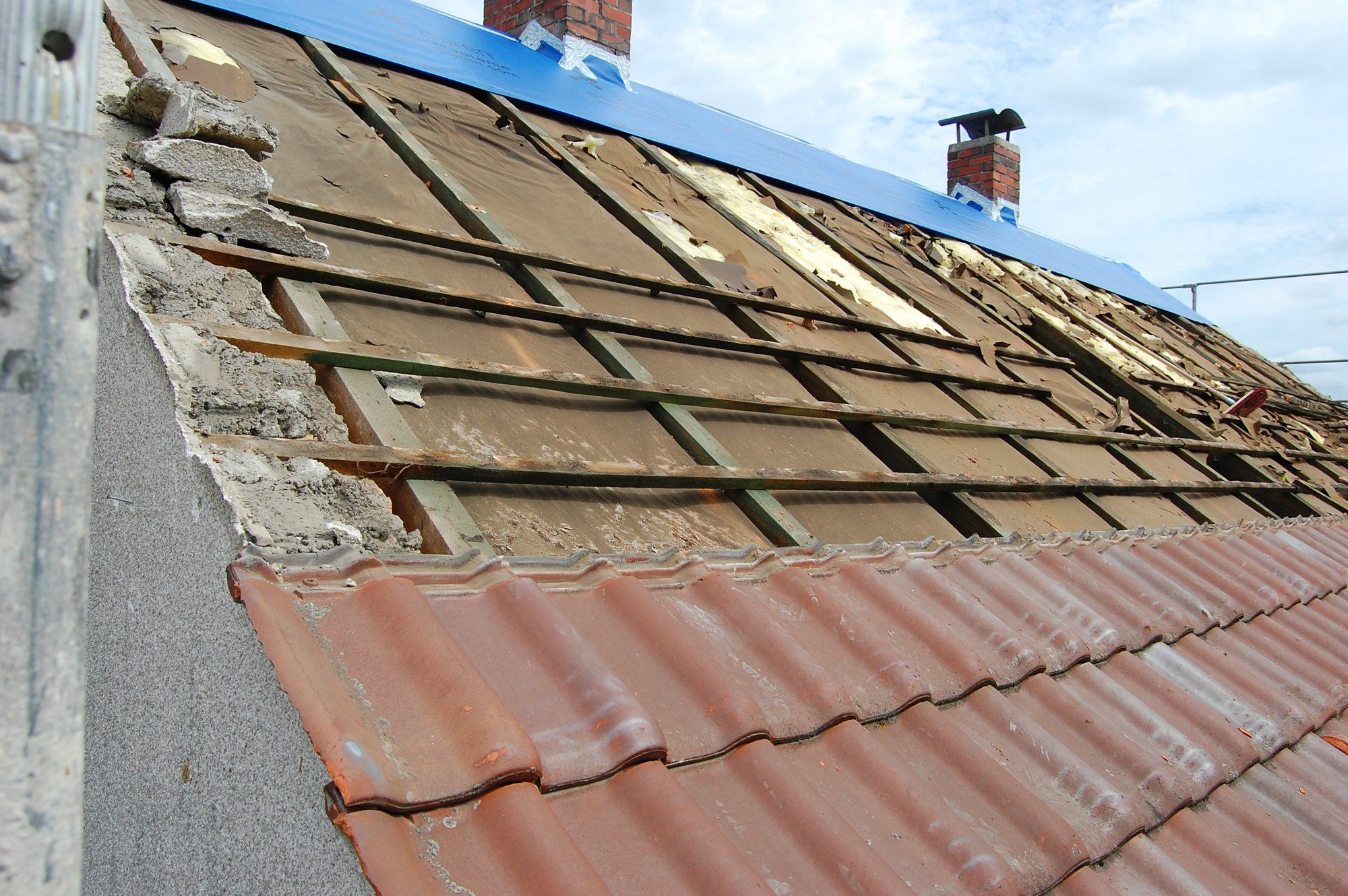
Why roofs leak
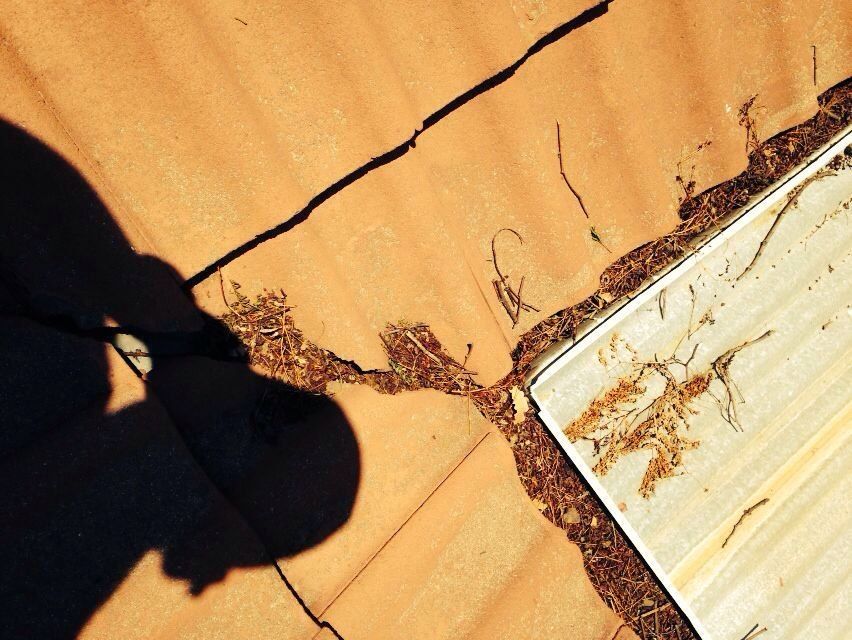
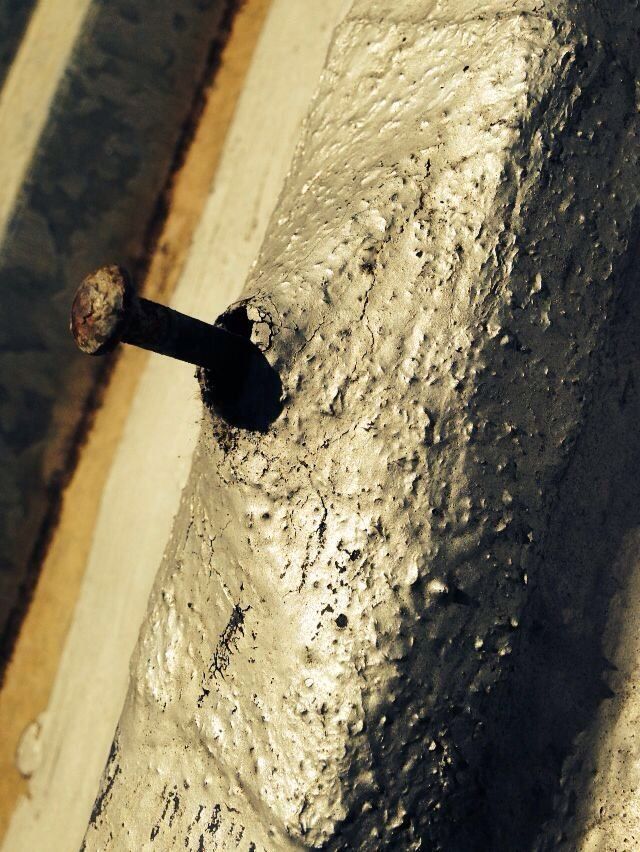
- Cracked or slipped tiles, or rusted and loose metal sheets
- Flashings that have lifted, or were never fitted properly, where the roof meets a wall, chimney or another roof
- Blocked or damaged gutters and valleys
- Old patches and waterproofing that have cracked and now trap water
- Extensions joined badly to the original roof
- Roof timbers that have moved or rotted and are pulling the coverings loose
How we fix a leak properly
We use different methods and materials for different roof coverings, though wherever possible we go back to the original methods of framework and sheeting repairs using wood, metal, nails and cement.
We take the time to understand the flow of water, which is mostly driven by gravity, speed and wind direction. That respect for how water actually behaves on a roof is why our repairs last longer.
Waterproofing is added as an extra layer over the structural repair, not used instead of it.
Extensions: the leak we see most often
The majority of the work we do is repairing roofs of houses that have had extensions added. Very often these extensions leak because of poor workmanship and a general lack of understanding.
Where an extension meets the original roof, the flashings, the fall of the roof and the way water is led away all have to work together. We fix the join properly instead of sealing over it.
“A lot of our work comes from repairing the ‘repairs’, which most often means ripping off the patch and going straight to the source of the problem.”
Roland, All Roof Repairs